How I Finally Beat Insomnia Without Pills — A Real Self-Check That Actually Worked
For years, I chased sleep like it was a train leaving the station—always just out of reach. Tossing, turning, scrolling, stressing. I tried everything: teas, apps, even counting imaginary sheep. What changed? A simple self-assessment that revealed my real sleep blockers. No magic, no meds—just honest reflection and small, powerful shifts. This isn’t a miracle cure, but it is real progress. If you’re tired of being tired, what if the answer starts not with fixing your routine—but understanding yourself?
The Hidden Cost of Poor Sleep
Insomnia is more than just difficulty falling asleep. It includes restless nights, waking too early, or rising without feeling refreshed. Many people dismiss these experiences as minor inconveniences, but over time, the effects accumulate in ways that quietly erode daily life. When sleep is disrupted night after night, the body and mind pay a steep price. Mood becomes fragile—small setbacks feel overwhelming, patience wears thin, and emotional resilience weakens. Focus blurs, making it harder to concentrate at work or manage household responsibilities. Simple decisions take more effort, and memory lapses become more frequent.
Long-term, poor sleep is linked to weakened immune function, making the body more vulnerable to common illnesses. It can also contribute to weight gain, as fatigue disrupts hormones that regulate hunger and fullness. The connection between sleep and heart health is well recognized in medical communities—consistent rest supports cardiovascular stability. While exact statistics vary, research consistently shows that chronic sleep problems increase the risk of long-term health concerns, including metabolic imbalances and reduced cognitive sharpness over time.
Imagine missing a morning meeting because exhaustion made it impossible to wake up on time. Picture snapping at a child over a spilled drink, only to regret it minutes later. Think of reaching for sugary snacks mid-afternoon not because you’re hungry, but because your energy has crashed. These are not signs of personal failure—they are signals. Insomnia is not merely a symptom of a busy life; it is a message from the body that something is out of alignment. Ignoring it doesn’t make it go away. Instead, listening to it—truly understanding its roots—can open the door to lasting change.
Why Quick Fixes Fail
Most people turn to quick solutions when sleep fails. Melatonin gummies, sleep-tracking apps, white noise machines, and herbal teas are widely used. Some find temporary relief in a glass of wine, believing alcohol helps them unwind. While these tools can offer short-term comfort, they rarely address the underlying reasons why sleep is disrupted. Melatonin may help regulate timing for some, but if the body is in a state of chronic stress or overstimulation, a supplement alone won’t quiet the mind. Alcohol, though it may induce drowsiness, actually fragments sleep later in the night, reducing restorative deep sleep and REM cycles.
Sleep apps and smart devices promise insight through data—tracking movement, heart rate, or breathing patterns. But numbers on a screen don’t reveal the full picture. They might show how long you were in bed, but not why your mind was racing at 2 a.m. They can’t capture the emotional weight of unresolved stress or the impact of drinking coffee at 4 p.m. Technology can be useful, but it becomes ineffective when it replaces self-awareness with passive monitoring. The real issue often lies beneath the surface: irregular routines, emotional tension, or habits that keep the nervous system in a state of alertness long after the day has ended.
Think of using a sleep aid like putting a bandage on a leaky pipe. It might slow the drip, but the underlying problem remains. The body isn’t broken—it’s responding to conditions that make rest difficult. True improvement comes not from masking the symptoms, but from identifying what’s keeping the system out of balance. This is where most sleep strategies fall short. They focus on what to do at bedtime, but neglect the hours that came before. The missing piece in most approaches is not another gadget or supplement—it’s self-awareness. Without understanding personal patterns, even the best tools are applied blindly.
The Power of Sleep Self-Assessment
Improving sleep begins with understanding it—not as a universal problem, but as a personal one. No two people experience insomnia in exactly the same way. One person may struggle to fall asleep due to late-night screen use, while another wakes repeatedly because of stress or an uncomfortable sleep environment. A one-size-fits-all solution cannot address such varied causes. This is why self-assessment is so powerful. It shifts the focus from generic advice to individual insight. Instead of asking, “What should I do to sleep better?” the better question is, “What is actually happening in my life that’s affecting my rest?”
A sleep self-assessment is not a medical diagnosis. It’s a thoughtful, honest reflection on daily habits, emotional states, and lifestyle patterns. It doesn’t require special training or equipment—just willingness to observe without judgment. The goal is not perfection, but awareness. By identifying recurring behaviors and conditions, patterns emerge. These patterns reveal the real barriers to rest. For example, someone might discover that their evening routine includes checking work emails, leading to mental activation when the body should be winding down. Another might realize that afternoon caffeine, even in small amounts, delays sleep onset by hours.
The process works because it treats sleep as part of a larger system. What happens in the morning affects the night. Physical activity, light exposure, emotional processing, and even meal timing all influence the body’s readiness for rest. A self-assessment brings these elements into focus. It allows a person to see connections they might have overlooked—like how a stressful commute impacts evening tension, or how lack of morning sunlight disrupts the internal clock. This kind of insight is empowering. It replaces frustration with clarity. Instead of feeling helpless, a person begins to see where small, manageable changes can make a real difference.
How to Run Your Own Sleep Check
Conducting a personal sleep check doesn’t have to be complicated. A simple five-point audit can uncover the most common disruptors. Begin by tracking your habits over three to five nights. Use a notebook or a basic notes app—no need for complex tools. The key is consistency and honesty. Avoid judging yourself; the goal is observation, not correction at this stage.
The first point is timing. When do you actually go to bed compared to when you plan to? Many people intend to sleep by 10 p.m. but end up staying up until midnight due to chores, screen use, or lingering conversations. This gap between intention and reality can reveal where time is being lost. The second point is environment. Is your bedroom truly designed for sleep? Consider lighting, noise levels, temperature, and comfort. Is the space clutter-free and calming? Do electronic devices emit light or sound during the night? A bedroom should signal safety and stillness to the brain.
The third point is wind-down routine. What do you do in the 60 minutes before bed? Are you watching intense shows, working, or scrolling through social media? Or are you engaging in relaxing activities like reading, light stretching, or listening to soothing music? The activities before sleep shape the mind’s state at bedtime. The fourth point is daytime habits. How much physical movement do you get? Are you exposed to natural light, especially in the morning? How is your stress level throughout the day? These factors directly influence circadian rhythm and nervous system balance. Finally, the fifth point is mind state. Do you lie awake replaying conversations, worrying about tomorrow, or feeling emotionally unsettled? Mental activity at night often reflects unprocessed experiences from the day.
By reviewing these five areas, a clear picture begins to form. You may notice that late screen use coincides with longer sleep onset, or that days with more movement lead to deeper rest. Patterns become evident. This awareness is the foundation for change. Once you see what’s happening, you can make informed choices—small adjustments that align with your body’s natural rhythms rather than working against them.
What My Self-Check Revealed
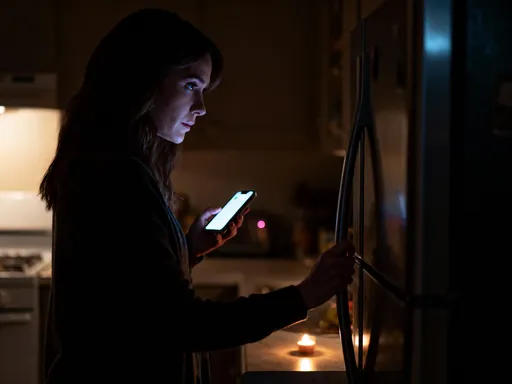
One person, after years of restless nights, decided to try the five-point sleep check. At first, the process felt tedious. But within three nights, clear patterns emerged. The most surprising discovery was how late screen use affected sleep. Even though the person believed they were relaxing by watching a show in bed, the brain remained activated. The blue light and mental engagement delayed the natural release of sleep hormones. Another revelation was afternoon coffee. A single cup at 3:30 p.m., thought to be harmless, was still present in the system at bedtime, subtly blocking the ability to fall asleep.
Equally important was the lack of morning light. On most days, the person didn’t step outside until after 9 a.m., often after already spending an hour indoors under artificial light. This delayed the body’s internal clock, making it harder to feel sleepy at a reasonable hour. The wind-down routine was nearly nonexistent—no consistent ritual to signal the end of the day. Evenings were filled with last-minute tasks, phone calls, and screen time, leaving the mind in a state of scattered alertness.
Perhaps the most emotional insight was the role of unresolved stress. The person realized they were carrying unspoken worries—about family, finances, and responsibilities—without ever taking time to process them. These thoughts didn’t surface during the day, but at night, in the quiet, they flooded in. Lying awake wasn’t laziness or a flaw—it was the mind’s way of trying to cope. Recognizing this brought relief. It wasn’t that the person was broken; it was that their lifestyle was misaligned with their body’s needs. The self-check didn’t offer instant fixes, but it provided clarity. For the first time, the path forward felt possible.
Small Shifts, Big Results
With insights from the self-check, three practical changes were introduced. The first was a digital sunset—turning off screens 90 minutes before bed. Instead of watching TV or using a phone in bed, the person switched to reading a physical book or listening to a calm podcast in another room. This reduced blue light exposure and allowed the brain to transition into rest mode. Over time, the urge to scroll diminished, and the mind became quieter at bedtime.
The second change was a morning light reset. Within 30 minutes of waking, the person made it a habit to step outside, even for just five to ten minutes. On cloudy days, sitting near a bright window worked as well. Natural light helps regulate the circadian rhythm by signaling to the brain that the day has begun. This small act improved alertness in the morning and, over time, made it easier to feel sleepy at night. The body’s internal clock began to stabilize.
The third adjustment was a worry dump. Ten minutes before bed, the person began writing down thoughts—unfinished tasks, concerns, ideas—on a notepad. This simple practice cleared mental clutter. Instead of lying awake replaying the day, the mind could rest, knowing nothing would be forgotten. The paper became a safe container for thoughts, freeing the brain from the need to stay active. These changes were not extreme. They didn’t require expensive products or drastic lifestyle overhauls. Yet within one to two weeks, sleep quality improved. Falling asleep became easier, nighttime awakenings decreased, and mornings felt less groggy. The shifts were small, but their impact was significant.
When to Seek Professional Help
A self-assessment is a powerful first step, but it is not a substitute for professional care. Some sleep issues go beyond lifestyle factors and may require medical evaluation. Certain red flags should not be ignored. Chronic fatigue that persists despite adequate time in bed, loud or irregular snoring, gasping for air at night, or excessive daytime sleepiness could indicate sleep apnea or another sleep-related condition. Anxiety-driven insomnia—where worry is so intense it feels impossible to calm the mind—may benefit from support from a mental health professional.
Similarly, if self-directed changes show no improvement after several weeks, it may be time to consult a healthcare provider. A doctor can help rule out underlying medical causes, such as hormonal imbalances, medication side effects, or neurological factors. Sleep specialists can conduct evaluations, including sleep studies, to provide a clearer diagnosis. The goal is not to pathologize normal variations in sleep, but to recognize when extra support is needed.
It’s also important to remember that seeking help is not a sign of failure. Taking action—whether through self-reflection or professional guidance—is what matters most. Some people may need both. A self-check can still be valuable even when working with a provider, as it offers personal insights that inform treatment. The key is to stay proactive. Sleep is too vital to be left to chance. By combining self-awareness with appropriate care, it becomes possible to build a sustainable foundation for rest.
Conclusion
The journey from chronic sleeplessness to restful nights often begins not with a new product or prescription, but with a simple act of reflection. Insomnia is not a life sentence. It is a signal—one that, when listened to, can lead to meaningful change. The story of overcoming sleep struggles is not about perfection, but about alignment. It’s about recognizing how daily habits, emotional rhythms, and environmental cues shape the ability to rest. What changed for one person may differ for another, but the common thread is self-awareness.
Improving sleep doesn’t require extreme measures. It begins with small, consistent steps—turning off screens earlier, stepping into morning light, writing down worries before bed. These actions work because they support the body’s natural design. They honor the connection between mind and body, day and night, activity and rest. Over time, these shifts accumulate, leading to deeper, more restorative sleep.
Better sleep is not just about feeling more alert—it’s about building a foundation for overall well-being. It affects mood, decision-making, relationships, and physical health. When rest improves, life often feels more manageable. The path starts with a single question: What is my sleep trying to tell me? The answer lies not in a pill, but in the quiet act of paying attention. Self-awareness is not a trendy concept—it is the most natural, accessible tool we already possess. And for many, it is the key to finally getting the rest they’ve been missing.