Hidden Waterfalls & Secret Coves: Koh Samui’s Untouched Natural Wonders
You know that feeling when you stumble upon a beach with no footprints but yours? That’s Koh Samui beyond the resorts. I’m talking jungle waterfalls you can swim in, hidden coves only locals know, and trails that lead to views so stunning, you’ll swear you’re the first to see them. This isn’t the postcard Samui—this is the real, raw, breathtaking version most tourists never find. While many visitors stay close to Chaweng’s bustling beaches and nightlife, a quieter, more enchanting island waits just off the beaten path. From emerald lagoons nestled within limestone cliffs to secluded waterfalls echoing in the heart of the jungle, Koh Samui’s untouched natural wonders offer a rare chance to reconnect with nature. This is not just a vacation—it’s a journey into the soul of one of Thailand’s most beautiful islands, where serenity, beauty, and authenticity unfold with every step.
Beyond Chaweng: Discovering Samui’s Wild Side
Koh Samui is often celebrated for its luxury resorts, vibrant markets, and palm-fringed beaches lined with sun loungers. Yet beneath this polished surface lies a wilder, more untamed island—a landscape shaped by dense rainforests, rugged hills, and hidden coastlines that remain refreshingly untouched. While Chaweng and Lamai draw the crowds, the island’s interior and remote shores tell a different story, one of quiet beauty and natural abundance. Venturing beyond the tourist hubs reveals a Samui that pulses with life: the rustle of leaves in the wind, the distant call of birds, and the cool mist rising from forest streams.
The contrast between the island’s popular image and its hidden natural side is striking. Most travel brochures highlight golden sands and turquoise waters, but they rarely capture the emerald canopies of the interior or the whispering tides of secluded bays. Yet these are the places where the true spirit of Samui thrives. The island’s diverse ecosystems include tropical rainforests that harbor rare orchids and native wildlife, freshwater streams that feed into cascading waterfalls, and coastal mangroves that serve as nurseries for marine life. These environments are not just scenic—they are vital to the island’s ecological balance.
Exploring this lesser-known Samui offers more than just visual rewards; it provides a deeper, more meaningful travel experience. When you step off the paved paths and into the jungle, you’re not just sightseeing—you’re engaging with a living, breathing landscape. The air feels fresher, the silence more profound, and the sense of discovery more immediate. For travelers seeking authenticity, the island’s wild side delivers in ways that resort life simply cannot match. It invites curiosity, rewards patience, and reminds us that some of the best experiences come not from convenience, but from connection.
The Magic of Mu Ko Ang Thong: A Marine Paradise
One of the most breathtaking natural wonders near Koh Samui is Mu Ko Ang Thong National Park, an archipelago of 42 limestone islands rising dramatically from the Gulf of Thailand. Often compared to Thailand’s more famous Phi Phi Islands, Ang Thong remains less crowded and more pristine, offering a sanctuary of emerald lagoons, coral-rich waters, and dense jungle-covered peaks. The park’s dramatic karst formations were shaped over millions of years by wind and water, creating hidden coves, sea caves, and secluded beaches accessible only by boat or kayak. For those willing to make the journey, the rewards are extraordinary.
The heart of the park is the iconic Talay Nai, a saltwater lagoon enclosed by towering cliffs. Accessible via a short but steep hike up 300 steps, the viewpoint at the top offers a panoramic vista that feels almost otherworldly. Below, the lagoon shimmers in shades of turquoise and jade, its surface so still it mirrors the sky. Swimming here is not allowed to protect the delicate ecosystem, but the sight alone is worth the climb. Other islands in the chain feature white-sand beaches, mangrove forests, and shallow reefs teeming with tropical fish, making the park a paradise for snorkeling and wildlife observation.
Responsible visitation is essential to preserving Ang Thong’s fragile environment. The park limits daily visitor numbers and requires all tours to be conducted by licensed operators who follow strict environmental guidelines. Eco-friendly practices such as using reef-safe sunscreen, avoiding single-use plastics, and staying on marked trails help minimize human impact. Several tour companies specialize in low-impact excursions, offering small-group kayaking trips, guided snorkeling tours, and educational briefings on marine conservation. Choosing such operators ensures that your visit supports, rather than harms, this natural treasure.
Snorkeling in Ang Thong’s protected bays reveals a vibrant underwater world. Coral gardens flourish in the clear waters, hosting species like clownfish, parrotfish, and blue tangs. Sea turtles are occasionally spotted gliding through the shallows, a sign of the park’s healthy marine ecosystem. Kayaking through narrow channels lined with limestone cliffs offers a sense of adventure and intimacy with nature, allowing travelers to explore hidden inlets and quiet beaches at their own pace. For families, couples, and solo adventurers alike, Mu Ko Ang Thong is not just a destination—it’s a reminder of nature’s quiet majesty and the importance of protecting it.
Hidden Waterfalls Deep in the Interior
While Koh Samui’s beaches are well-known, its waterfalls remain one of its best-kept secrets. Tucked deep within the island’s mountainous interior, these cascades offer a refreshing escape from the heat and the crowds. Unlike the more commercialized Na Muang 1 and 2, which attract tour groups and vendors, lesser-visited falls like Na Muang 3 and the cascades near Hua Thanon provide a more intimate and serene experience. These hidden gems are often surrounded by dense jungle, their pools fed by natural springs and shaded by towering trees, creating a cool, peaceful retreat.
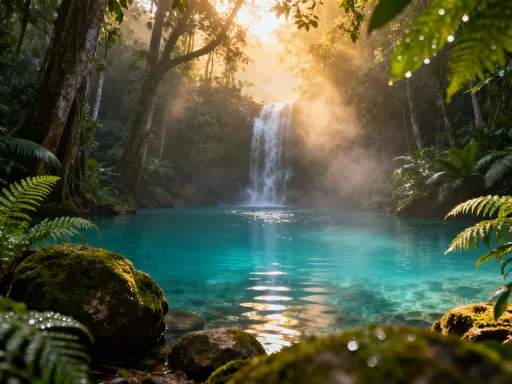
Na Muang 3, located near the village of Hua Thanon, is a prime example of Samui’s untouched beauty. The hike to the falls takes about 20 minutes through a well-marked trail that winds through fern-covered slopes and rocky terrain. Along the way, travelers pass smaller streams and natural rock formations, building anticipation for the main cascade. When you arrive, the sight is worth the effort: a slender waterfall plunges into a clear, emerald pool, surrounded by mossy boulders and thick foliage. The water is cool and inviting, perfect for a swim after the walk. Because it’s less accessible than other falls, the area rarely feels crowded, allowing for moments of solitude and reflection.
Safety is key when exploring these remote waterfalls. The trails can be slippery, especially after rain, so wearing sturdy footwear with good grip is essential. It’s best to visit in the morning when the light is soft and the temperatures are cooler. Travelers should bring plenty of water, insect repellent, and a towel, and avoid visiting during or immediately after heavy rainfall when streams can swell and become dangerous. Local guides are available in nearby villages and can enhance the experience by sharing knowledge about the area’s flora, history, and safe swimming spots.
The sensory experience of these waterfalls is unforgettable. The sound of rushing water blends with the chirping of birds and the rustle of leaves in the breeze. Mist rises from the pool, cooling the air and carrying the scent of damp earth and greenery. Sunlight filters through the canopy in golden beams, illuminating patches of wild orchids and ferns. Swimming in these natural pools feels like stepping into a hidden world—one where time slows and the outside world fades away. For many visitors, this is the essence of what makes Samui special: not just its beauty, but its ability to inspire awe and stillness.
Secret Beaches Only the Locals Know
While Chaweng and Lamai dominate the island’s beach scene, quieter shores await those willing to explore. Laem Sor Beach, on Samui’s southwest coast, is a perfect example of a hidden gem. With its long stretch of soft sand, gentle waves, and backdrop of coconut palms, it offers a classic island escape—without the crowds. Unlike the busier beaches, Laem Sor has no beach bars or water sports rentals, making it ideal for families, couples, and solo travelers seeking peace. A small local temple sits at one end of the beach, adding a touch of cultural charm to the landscape.
Accessing these secret beaches often requires a bit of effort, which is precisely what keeps them pristine. Laem Sor can be reached by scooter or car via a narrow road that winds through rubber plantations and quiet villages. The journey itself becomes part of the adventure, offering glimpses of everyday island life. Other secluded coves can be found along the west coast, particularly near the village of Bang Po, where rocky headlands shelter small inlets with crystal-clear water. These spots are often known only to locals and long-term residents, making them perfect for spontaneous picnics, quiet swims, or reading under the shade of a palm tree.
Timing is crucial for enjoying these beaches at their best. Early mornings and late afternoons offer the most solitude, as day-trippers from resorts tend to arrive mid-morning and leave by sunset. Visiting during the shoulder seasons—May to June or September to October—also increases your chances of having a beach to yourself. These periods fall between peak tourist seasons and often bring fewer crowds and more stable weather. Travelers who plan their visits thoughtfully are rewarded with uninterrupted views, calm waters, and the simple pleasure of feeling like they’ve discovered something truly special.
What makes these secret beaches so valuable is not just their beauty, but their ability to restore a sense of calm. Without the buzz of jet skis or the chatter of crowds, the rhythm of the waves becomes the dominant sound. Children can play safely in shallow waters, couples can walk hand in hand along the shore, and solo travelers can sit in quiet contemplation. These moments of unstructured, undisturbed relaxation are increasingly rare in modern travel—but in Samui’s hidden coves, they are still within reach. For the mindful traveler, these beaches are not just destinations; they are invitations to slow down and savor the present.
Jungle Trails and Panoramic Vistas
For those who love to hike, Koh Samui offers a network of jungle trails that lead to some of the most breathtaking viewpoints on the island. One of the most rewarding routes is the hidden ridge near Khao Pom, a lesser-known peak that rises above the central hills. The trail begins in a quiet village and climbs gradually through dense forest, crossing wooden footbridges and passing ancient banyan trees with roots that twist like sculptures. After about 45 minutes of steady walking, the path opens to a panoramic vista that stretches from the east coast to the west, with the Gulf of Thailand glittering in the distance.
What makes this hike special is not just the view, but the journey itself. Along the way, travelers encounter a rich tapestry of tropical flora and fauna. Wild orchids bloom in the shade, birds call from the treetops, and monitor lizards sometimes scurry across the path. The air is thick with the scent of damp earth and blooming frangipani. Because the trail is not widely promoted, it remains peaceful and uncrowded, allowing hikers to move at their own pace and pause to appreciate the details—a butterfly on a leaf, a spiderweb glistening with dew, the distant hum of cicadas.
Slow, mindful hiking enhances the connection between traveler and environment. Unlike fast-paced tours, a quiet walk through the jungle encourages observation and presence. You begin to notice things you might otherwise miss: the texture of bark, the pattern of light on the forest floor, the sudden silence that follows a bird’s call. This kind of travel is not about checking off sights, but about deepening your relationship with nature. It’s a form of meditation in motion, where each step becomes a moment of awareness.
These jungle trails also serve as a reminder of the island’s ecological richness. The forests of Samui are home to native species like the dusky langur, the Siamese fireback pheasant, and a variety of reptiles and amphibians. While some areas have been affected by development, conservation efforts are helping to protect critical habitats. Staying on marked trails, avoiding loud noises, and refraining from feeding wildlife are simple ways to respect these ecosystems. For travelers, the reward is not just a great view, but the knowledge that they’ve experienced something rare and real—without disturbing the balance of the natural world.
Sustainable Encounters: Respecting Nature While Exploring
As more travelers seek out untouched destinations, the importance of sustainable tourism cannot be overstated. Koh Samui’s natural wonders are fragile, and even small actions can have lasting impacts. The Leave No Trace principles—such as packing out all trash, staying on designated paths, and avoiding the collection of natural souvenirs—are essential for preserving the island’s beauty. These guidelines are not just for remote wilderness areas; they apply equally to waterfalls, beaches, and jungle trails that are increasingly popular with eco-conscious visitors.
Travelers can support local conservation efforts in meaningful ways. Choosing eco-certified tour operators, participating in beach clean-ups, and visiting community-run nature sites help direct tourism income toward environmental protection. Some local organizations offer educational programs on marine conservation, reforestation, and wildlife preservation, allowing visitors to contribute actively to the island’s sustainability. Even simple choices—like bringing a reusable water bottle, using biodegradable sunscreen, or avoiding plastic-wrapped snacks—add up to significant positive change over time.
Local guides play a crucial role in promoting responsible exploration. Knowledgeable and passionate, they provide context about the island’s ecosystems, share traditional ecological knowledge, and ensure that visits are conducted with minimal impact. Hiring a guide not only enhances the experience but also supports the local economy in a direct and ethical way. Many guides are trained in first aid, environmental stewardship, and cultural sensitivity, making them invaluable companions on any off-the-beaten-path adventure.
Sustainable tourism is not about restriction; it’s about respect. It’s about recognizing that we are guests in a living landscape and acting accordingly. When travelers adopt this mindset, they help ensure that Samui’s hidden wonders remain intact for future generations. The goal is not to keep these places secret forever, but to share them wisely—so that beauty and biodiversity can thrive alongside thoughtful human presence.
Why the Real Samui Is Worth the Detour
In an age of instant gratification and curated travel experiences, seeking out the untouched corners of Koh Samui may require extra effort—but it is an effort that pays profound dividends. The real Samui is not found in air-conditioned malls or all-inclusive buffets; it is found in the cool mist of a jungle waterfall, the silence of a deserted beach at dawn, and the panoramic sweep of a hilltop view earned by steady footsteps. These experiences do more than fill a camera roll; they fill the soul.
Off-the-beaten-path exploration fosters a deeper connection to place and self. It slows us down, strips away distractions, and reminds us of what truly matters: presence, wonder, and respect for the natural world. For many travelers, especially those balancing busy family lives or demanding careers, these moments of clarity and peace are not just welcome—they are necessary. They restore balance, spark creativity, and create memories that last far longer than any souvenir.
Moreover, choosing to explore Samui’s wild heart is a quiet act of stewardship. Every traveler who treads lightly, supports local guides, and chooses sustainability over convenience helps protect the island’s future. It sends a message that beauty does not need to be exploited to be appreciated—that reverence and responsibility can go hand in hand with adventure.
So, if you’re planning a trip to Koh Samui, consider stepping beyond the familiar. Let curiosity guide you down dusty roads, through shaded trails, and into hidden coves. Bring your sense of wonder, your respect for nature, and your willingness to listen to the island’s quiet whispers. The real Samui is not on every map, but it is waiting—patient, beautiful, and ready to reveal itself to those who seek it with an open heart.