You Won’t Believe These Hidden Shopping Gems Near Uluru
When most people think of Uluru, they picture the red desert, sacred sites, and star-filled skies—but not shopping. Honestly, I didn’t expect to find anything beyond souvenirs either. But during my visit, I stumbled upon some truly unique spots selling authentic Aboriginal art, handcrafted jewelry, and one-of-a-kind desert-made goods. These places aren’t just stores—they’re cultural experiences. Let me show you the side of Uluru most tourists miss.
The Unexpected Side of Uluru: Shopping with Soul
Uluru is often celebrated as a spiritual landmark, a place of deep cultural significance for the Anangu people, the traditional custodians of the land. Visitors come to walk the base, learn about Tjukurpa (the Aboriginal law and belief system), and witness the rock’s dramatic color shifts at sunrise and sunset. It’s rare for travelers to associate this iconic site with shopping, and understandably so—commercialism feels out of place in such a sacred environment. Yet, what many don’t realize is that the quiet shops and art centers near Uluru are not about consumerism; they are about connection, culture, and continuity.
These small retail spaces are deeply rooted in tradition, offering more than just products—they offer stories. Each painting, carved wooden figure, or woven textile carries meaning passed down through generations. When you purchase from these venues, you’re not just acquiring a memento; you’re supporting living cultures and helping preserve ancestral knowledge. This form of shopping stands in stark contrast to the generic keychains and mass-produced magnets often found at tourist hubs around the world. Here, every item is an invitation to understand, respect, and remember.
For families, especially women who often lead travel planning and souvenir selection, this shift in perspective transforms the journey. It becomes less about what you bring home and more about what you take away—understanding, appreciation, and a sense of having contributed to something meaningful. The act of choosing a hand-painted boomerang or a naturally dyed wall hanging becomes a quiet act of cultural stewardship. That’s the soul of shopping near Uluru: it’s not transactional, it’s relational.
Yulara’s Cultural Village: More Than Just a Tourist Stop
The gateway to these authentic experiences is Yulara, the purpose-built resort town located about 20 kilometers from Uluru. Designed to minimize environmental impact while maximizing visitor comfort, Yulara serves as the primary base for travelers exploring Uluru-Kata Tjuta National Park. At first glance, its clean walkways and cluster of hotels might seem like any other tourist hub. But within its central marketplace lies a carefully curated collection of shops that prioritize cultural authenticity and sustainability.
The design of the town reflects the surrounding desert landscape—low-rise buildings with earth-toned exteriors blend seamlessly into the red sand and sparse vegetation. This architectural sensitivity extends to the shopping experience. The Cultural Village, located at the heart of Yulara, features wide, shaded walkways and open-air galleries that invite leisurely exploration. Unlike crowded malls or bustling city markets, this space feels calm and intentional, encouraging visitors to slow down and engage.
What sets Yulara’s shopping district apart is its commitment to ethical tourism. Many of the stores are either owned by Aboriginal organizations or operate under strict guidelines ensuring that local communities benefit directly from sales. Revenue from art sales, guided workshops, and cultural displays is often reinvested into education, health, and land management programs for Anangu families. This model ensures that tourism dollars support long-term community well-being rather than disappearing into corporate chains.
For travelers, particularly those traveling with children or older relatives, the convenience of having essential services nearby—like cafes, pharmacies, and rest areas—makes Yulara a practical choice. But beyond convenience, it offers something rarer: a chance to interact with culture in a respectful, accessible way. Whether you’re picking up a guidebook at the visitor center or watching an elder demonstrate traditional weaving techniques, the atmosphere fosters learning without intrusion.
Maruku Arts: Where Craft Meets Storytelling
Among the most respected cultural enterprises in Yulara is Maruku Arts, an Aboriginal-owned and community-operated art center representing over 900 artists from remote desert communities across Central Australia. Established in 1984, Maruku has become a cornerstone of cultural preservation, providing a legitimate marketplace for Anangu creators while educating visitors about the deeper meanings behind their work.
Walking into the Maruku Arts shop, you’re immediately struck by the richness of color and pattern. Rows of acrylic dot paintings depict Dreamtime stories—narratives that explain the creation of the land, animals, and people according to Aboriginal cosmology. These aren’t decorative pieces made for export; they are visual expressions of law, identity, and responsibility. Each artist signs their work, and detailed plaques explain the story behind the design, allowing visitors to appreciate the context before making a purchase.
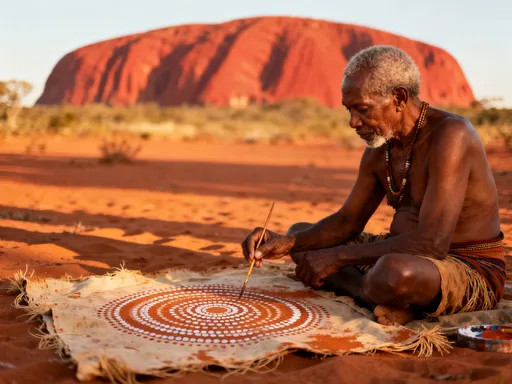
One of the most powerful aspects of Maruku Arts is the opportunity to witness live demonstrations. On any given day, you might see an Anangu artist seated cross-legged on the floor, delicately applying dots with a fine brush or sharpened stick. The process is meditative, precise, and deeply personal. Children often watch in awe, while adults ask quiet questions about symbolism and technique. These interactions break down barriers, turning a simple shopping trip into a cross-cultural dialogue.
Beyond paintings, Maruku offers a range of handcrafted items, including wooden punu carvings made from desert mulga wood. These small sculptures—of lizards, birds, and ancestral beings—are painstakingly shaped using traditional tools and finished with natural pigments. Because each piece is made by hand, no two are exactly alike. Purchasing one means supporting not just an individual artist but an entire network of family and community members who uphold these traditions.
Maruku also operates under a fair-trade model, ensuring artists receive direct financial benefit from sales. This transparency is crucial, especially in an industry where fake “Aboriginal-style” art is often imported from overseas and sold at lower prices. By choosing Maruku, visitors help combat cultural appropriation and ensure authenticity. For thoughtful travelers, especially those seeking meaningful gifts, this peace of mind enhances the value of every purchase.
Walkatjara Art: A Quiet Space with Powerful Creations
Just a short walk from the main shopping plaza, tucked away in a quieter corner of Yulara, is Walkatjara Art—a smaller, lesser-known gallery that offers one of the most intimate cultural experiences in the region. Run entirely by Anangu women from the Mutitjulu community, this space feels more like a family living room than a commercial gallery. There are no loud signs or crowds; instead, soft lighting highlights delicate works of art created with patience, pride, and deep cultural knowledge.
The name “Walkatjara” means “coming together” in Pitjantjatjara, one of the local Aboriginal languages, and that spirit is evident in every aspect of the gallery. The women who manage it rotate shifts, sharing responsibilities while continuing to create art in their own time. Their works include batik paintings on silk, hand-printed textiles, and intricate sand drawings preserved on paper. Each medium carries cultural significance—batik, for example, was introduced in the 1970s but has since been adapted to tell traditional stories in new forms.
Visitors often describe a sense of stillness upon entering Walkatjara. The absence of background music or sales pressure allows the art to speak for itself. You can spend ten minutes or an hour, asking questions if you wish, or simply sitting quietly, absorbing the emotion in a painting of a women’s ceremony or a map of ancestral waterholes. Many guests leave with tears in their eyes, moved by the honesty and resilience reflected in the artwork.
Because the gallery is community-run, every dollar spent goes directly back into the group. Funds support not only the artists but also youth programs, language preservation, and cultural camps where elders teach young people traditional skills. For families visiting Uluru, this is a powerful opportunity to model mindful consumption—showing children that travel can be about giving as much as receiving.
Walkatjara also offers workshops where visitors can try their hand at basic batik techniques under the guidance of Anangu women. These sessions are limited in size to maintain respect for cultural protocols, and bookings are encouraged in advance. For mothers traveling with daughters, this shared creative experience can become a highlight of the trip—a moment of connection across cultures and generations.
Lasseter’s Provisions Market: Local Flavors and Practical Treasures
While art centers like Maruku and Walkatjara focus on cultural expression, Lasseter’s Provisions Market meets the practical needs of travelers without sacrificing authenticity. Named after Lewis Harold Bell Lasseter, a controversial figure in Australian exploration history, the market itself has evolved into a modern, well-organized store that celebrates Australian-made and Indigenous-owned products.
At first glance, it resembles a high-end grocery store, with neatly arranged shelves and refrigerated sections. But a closer look reveals something special: an entire aisle dedicated to bush foods. Here, you’ll find wattleseed ground into flour, lemon myrtle used in teas and seasonings, and Kakadu plum jam—packed with vitamin C and sustainably harvested from the Northern Territory. These ingredients offer a taste of the land itself, and many visitors enjoy picking up spice blends or ready-made sauces to recreate Outback flavors at home.
The market also stocks a growing selection of native skincare products made with emu oil, tea tree extract, and desert botanicals. Brands like Warakurna and Ngali are gaining recognition for their ethical sourcing and effective formulas. For travelers dealing with dry desert air, a nourishing hand cream or lip balm made from natural ingredients can be both a luxury and a necessity.
Beyond food and skincare, Lasseter’s offers a curated gift section featuring Australian-designed clothing, reusable water bottles, and outdoor gear suited for the harsh climate. Hats, sunscreen, and hydration packs are thoughtfully displayed near the entrance, reminding visitors of the importance of sun safety. What makes this store stand out is its balance—while it caters to tourist needs, it avoids the trap of selling cheap imports. Instead, it highlights local producers and sustainable alternatives, reinforcing the message that responsible travel starts with small choices.
Families appreciate the availability of baby supplies, snacks, and cold drinks, making it a reliable stop after long days of exploration. And because the staff are trained in cultural awareness, they can answer questions about product origins or recommend gifts that align with ethical shopping principles. It’s rare to find a convenience store that feels both practical and principled—but Lasseter’s manages it with quiet confidence.
What to Look for (and What to Avoid)
With so many options, it’s natural to wonder: how do you know what’s authentic? The rise of “Aboriginal-style” souvenirs made overseas has created confusion, and unwitting travelers sometimes purchase items that disrespect cultural laws or exploit artists. The good news is that with a little awareness, you can shop confidently and ethically during your Uluru visit.
The first rule is simple: buy from community-owned or Indigenous-operated stores. Places like Maruku Arts and Walkatjara Art display clear signage indicating they are Aboriginal-owned. Look for the Indigenous Art Code logo, a certification that guarantees fair payment and ethical practices. If you’re unsure, ask staff about the artist’s background or where the item was made. Reputable shops are proud to share this information.
Be cautious of extremely low prices. A $20 dot painting may seem like a bargain, but genuine acrylic works require hours of labor and high-quality materials. Mass-produced versions often use stencils or machine printing, stripping the work of its cultural value. Similarly, avoid items that feature sacred symbols, such as certain Dreamtime stories or ceremonial designs, unless they are explicitly approved for public sale. Some knowledge is restricted, and reproducing it without permission is deeply offensive.
Another red flag is vague labeling. If a product says “inspired by Aboriginal art” or “made in Asia,” it’s not authentic. Genuine pieces will list the artist’s name, community, and language group. When in doubt, choose smaller items like notecards, stickers, or fabric patches—these are often more affordable and still support local creators.
Finally, consider the story behind your purchase. Ask yourself: does this item honor the culture it comes from? Will it remind me of the people, not just the place? Shopping with intention transforms souvenirs into keepsakes with meaning. For mothers and grandmothers who collect mementos for their families, this mindful approach ensures that every gift carries a legacy of respect.
How Shopping Here Changes Your Trip
Traveling to Uluru is already a profound experience. The sheer scale of the rock, the silence of the desert, and the warmth of the Anangu people leave lasting impressions. But adding intentional shopping to your itinerary deepens that impact in unexpected ways. It shifts the journey from observation to participation—from being a visitor to becoming a respectful guest.
When you hold a hand-carved wooden emu made by an elder in Mutitjulu, you’re not just holding a figure; you’re holding a lifetime of knowledge. When you hang a dot painting in your home, you’re not just decorating a wall; you’re keeping a story alive. These objects become bridges between worlds, sparking conversations with friends, children, and grandchildren about culture, history, and the importance of preserving traditions.
For women who often bear the emotional labor of family travel—planning, remembering, preserving memories—this kind of shopping offers a rare sense of fulfillment. It’s not about accumulating things; it’s about carrying forward meaning. Every time you use a bush tea blend from Lasseter’s or wear a necklace from a local artisan, you reconnect with the red earth and clear skies of Central Australia.
More importantly, your choices matter. By supporting Aboriginal-owned businesses, you help ensure that future generations can continue to share their culture on their own terms. You contribute to language revitalization, youth employment, and land care initiatives—all through the simple act of choosing where to spend your money.
So as you plan your trip to Uluru, expand your vision of what’s possible. Let your shopping be more than an afterthought. Seek out the quiet galleries, ask questions, listen to stories, and choose items that reflect your values. Because when you shop with purpose near Uluru, you don’t just take home souvenirs—you bring back wisdom, connection, and a deeper understanding of one of the world’s oldest living cultures.
The desert may seem empty at first glance, but it’s full of voices, visions, and hands at work. All you need to do is look closely, listen carefully, and choose to engage with heart.