You Won’t Believe What I Saw Along the Rhine
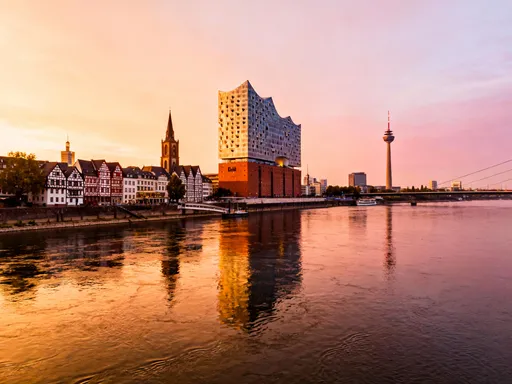
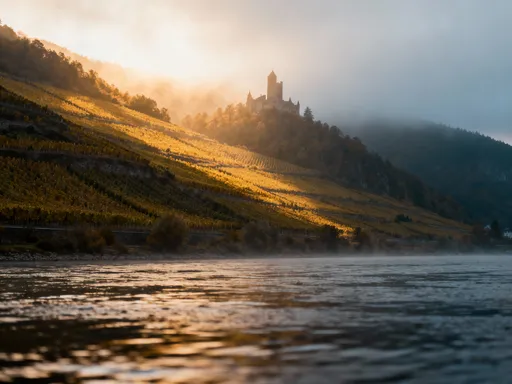
Standing on a riverbank at dawn, mist curling over the water like smoke, I realized the Rhine Valley wasn’t just a place—it was a living postcard. The way the light hits the vineyards, the castles perched like silent kings above the river—it all feels unreal. I came for a quick stop, but stayed for the magic. This isn’t just sightseeing; it’s feeling history, landscape, and beauty all at once. If you’ve ever wanted to see Germany breathe, this is where.
First Glimpse: Why the Rhine Valley Feels Like a Fairytale Come to Life
The Rhine Valley unfolds like a scene from a storybook, where every element seems placed with intention. As the river winds through the deep, forested gorge between Bingen and Koblenz, known as the Upper Middle Rhine, the landscape reveals a rare harmony of nature and human history. Terraced vineyards climb steep slopes, their orderly rows tracing the contours of the hills like green embroidery. Perched above them, medieval castles rise from rocky outcrops, their turrets and stone walls silhouetted against the sky. The river itself, broad and reflective, mirrors the drama unfolding on its banks, doubling the beauty with each bend.
What sets this valley apart from other European river landscapes is its density of cultural heritage. Nowhere else in Germany can you find such a concentration of well-preserved castles—over 40 within a span of just 65 kilometers. This stretch of the Rhine was once a vital trade route, and these fortresses were built not only for defense but also to collect tolls from passing ships. Today, they serve a different purpose: they inspire wonder. The Rhine Gorge is a UNESCO World Heritage Site, recognized not only for its natural beauty but also for its role in shaping European Romanticism. Artists and writers of the 19th century were drawn to its dramatic scenery, and their works helped cement its reputation as a place of poetic grandeur.
For the modern traveler, the first glimpse of the Rhine Valley often triggers an immediate emotional response—something between awe and nostalgia. It feels familiar, even if you’ve never been before, as though you’ve seen it in dreams or old paintings. There’s a timelessness to the scene, a sense that the past is not buried but alive and visible. The way the morning sun gilds the rooftops of half-timbered villages, or how the evening light softens the stone of a thousand-year-old fortress, creates a sense of continuity. This is not a reconstructed theme park version of history; it is the real thing, worn by time but still standing. That authenticity is what makes the Rhine Valley feel less like a destination and more like a revelation.
Best Viewpoints: Where to See the Rhine Like a Local (Not a Tourist)
To truly appreciate the Rhine Valley, you need to step off the main paths and discover the vantage points where locals go to escape the crowds. While many visitors flock to the popular observation decks near tourist centers, the most rewarding views often lie just a short walk off the beaten trail. One such spot is the hillside above Bingen, where a quiet forest path leads to a clearing with a sweeping panorama of the Rhine as it curves around the Rüdesheim Valley. From here, you can see vineyards cascading down to the water’s edge, the distant spires of medieval churches, and the constant flow of river traffic—freight barges, pleasure boats, and the occasional white-sailed yacht.
Another hidden gem is the viewpoint near Bacharach, accessible via a gentle uphill trail from the town’s eastern edge. Unlike the postcard-perfect but often crowded Marktkirche terrace, this path offers solitude and an unobstructed view of the river framed by oak and beech trees. The best time to visit is late afternoon, when the sun casts long shadows across the water and the vineyards glow in golden light. The trail is well-marked and suitable for most fitness levels, making it ideal for families or those looking for a peaceful, reflective experience.
For a more elevated perspective, the trails above St. Goar provide some of the most dramatic scenery in the region. A short hike from the town center leads to the Lurley Felsen, a rocky outcrop named after the legendary siren of the Rhine. From this height, the river appears as a silver ribbon winding through the valley, flanked by vineyards and dotted with castles. On clear days, you can see as far as the Lorelei Rock, a famous landmark associated with folk tales of sailors lured by enchanting songs. The path is moderately challenging, with some steep sections, but handrails and rest benches make it manageable. What makes this spot special is not just the view, but the silence—a rare commodity in a region that draws thousands of visitors each year.
When planning your visit, consider timing and accessibility. Early mornings and weekdays are best for avoiding crowds. Most of these trails are reachable by public transport, with regular regional trains connecting towns along the Rhine. Comfortable walking shoes, a light jacket, and a camera are essential. But more than gear, what you need is patience—the willingness to pause, to let the landscape reveal itself slowly, like a painting emerging from shadow into light.
River-Level Magic: Experiencing the Rhine from a Boat
There is no better way to understand the rhythm of the Rhine than by traveling on it. From the water, the valley transforms. The scale of the cliffs becomes apparent, rising hundreds of feet from the riverbank, their bases softened by layers of moss and ivy. The castles, which from a distance seem like delicate ornaments, reveal their true nature as formidable fortresses, built to dominate the river and control trade. As the boat glides forward, towns appear one by one—Rüdesheim with its bustling promenade, Oberwesel with its ancient city walls, and Kaub with its riverside market square—each with its own character and charm.
Passenger ferries and scenic cruises offer different experiences. The local ferries, operated by regional transport services, are functional and affordable, connecting towns on both banks. They attract fewer tourists and provide a more authentic glimpse of daily life along the Rhine. You’ll see commuters, cyclists, and local families enjoying a weekend outing. These short crossings—often just ten to fifteen minutes—offer concentrated moments of beauty, especially when the sun is low and the water shimmers with color.
For a more immersive journey, multi-hour scenic cruises between Rüdesheim and Koblenz are highly recommended. These routes follow the most picturesque section of the Rhine Gorge, passing under arched railway bridges and alongside vineyard-covered slopes. The best boats are smaller, open-deck vessels that allow unobstructed views and easy photo opportunities. Larger tourist ships, while comfortable, often have high cabins that block lower sightlines and carry loudspeaker-guided tours that can detract from the serenity. Choosing a quieter cruise line or traveling during shoulder seasons—April to May or September to October—can greatly enhance the experience.
As you float along, pay attention to the subtle details: the way the current swirls around a rocky islet, the sound of church bells echoing across the water, the sudden appearance of a kingfisher darting from the reeds. These small moments, often missed from land, give the river its soul. Being on the water also changes your perception of time. The journey feels slower, more deliberate, allowing you to absorb the landscape rather than just observe it. It’s a reminder that travel is not just about reaching a destination, but about being present in the journey itself.
Elevated Perspectives: Hiking Trails That Deliver Jaw-Dropping Panoramas
For those who love to explore on foot, the Rhine Valley offers a network of well-maintained hiking trails that reward effort with unforgettable views. The most renowned of these is the Rheinsteig Trail, a long-distance path that stretches over 300 kilometers from Bonn to Wiesbaden. While completing the entire route is a feat for dedicated hikers, even a single section can provide a profound connection to the landscape. The trail is marked with a white “R” on a blue background, making navigation straightforward, and it passes through forests, vineyards, and historic towns, offering variety with every kilometer.
One of the most scenic segments runs between Sankt Goar and Oberwesel. This 12-kilometer stretch climbs steadily through mixed woodland before opening up to panoramic overlooks of the Rhine. At several points, the path edges along cliff faces, with metal railings ensuring safety while allowing unimpeded views. Photographers will find endless opportunities here—the curve of the river, the symmetry of vineyard rows, and the dramatic silhouette of Burg Katz and Burg Maus, two castles standing guard on opposite hills. The trail is moderately challenging, with elevation gains that require steady pacing, but rest areas with benches and informational plaques make it accessible to most hikers.
Another rewarding route is the trail from Bacharach to the ruins of Stahleck Castle. Starting in the heart of the village, the path ascends through terraced vineyards, offering close-up views of grapevines and the work of local vintners. At the top, the castle grounds provide a sweeping vista of the Rhine bend below, where boats appear as tiny specks against the vast landscape. The site also includes a youth hostel, meaning the area is lively but not overly commercialized. This hike is shorter—about 45 minutes up—and ideal for those with limited time or energy.
Safety is important when hiking in this region. Trails are generally well-maintained, but weather can change quickly, especially in spring and autumn. Sturdy footwear with good grip is essential, as some paths can be slippery after rain. Carrying water, sunscreen, and a light snack is advisable, as refreshment options are limited along the way. A trail map or GPS app can help prevent missteps, though signage is clear. Most importantly, take your time. The beauty of the Rhine Valley is not in how fast you see it, but in how deeply you experience it.
Castles in the Sky: Seeing Medieval Germany from Above
The castles of the Rhine Valley are not just picturesque relics—they are testaments to a turbulent past. Among the most striking is Burg Eltz, a fairy-tale fortress nestled in a forested valley near the Moselle River. Unlike many Rhine castles that stand on exposed cliffs, Eltz is hidden among trees, its turrets rising unexpectedly from the greenery. It has never been destroyed, which means its architecture reflects over 800 years of continuous habitation. From elevated trails, you can see how its position was chosen for both defense and seclusion, with natural barriers protecting it from attack.
Another must-see is Marksburg, the only hilltop castle on the Rhine that has never been in ruins. Perched above Braubach, it offers a rare glimpse into medieval life, with original towers, a great hall, and a working drawbridge. From viewpoints across the river, especially from the town of Linz, the castle appears as a crown atop the hill, its stone walls glowing in the afternoon sun. What makes Marksburg special is not just its preservation, but its authenticity. There are no modern reconstructions here—what you see is what generations of nobles and soldiers once knew.
When viewed from below, castles can seem romantic and distant. But from higher vantage points, their strategic brilliance becomes clear. They were built to control river traffic, with clear lines of sight for miles. Cannon ports, watchtowers, and fortified gates were not decorative—they were essential for survival. Standing on a trail above St. Goar, looking across at Burg Rheinfels, you begin to understand its scale. Once one of the largest fortresses in the region, it now stands in partial ruin, but its remaining walls speak of power and ambition. The way it dominates the river bend shows how geography and military engineering worked together.
For the best photographic compositions, seek out spots where castle and landscape are framed together. The path between Oberwesel and Kaub offers several such opportunities, with vineyards in the foreground and castles rising in the distance. Early morning light enhances texture and depth, while late afternoon brings warmth and contrast. These images do more than document a place—they capture a feeling, a sense of history suspended in time.
When Light Paints the Valley: Sunrise, Sunset, and the Golden Hours
Light is the silent artist of the Rhine Valley, transforming the same scene into something entirely new with each passing hour. At sunrise, the valley emerges from shadow like a painting developing in a darkroom. Mist rises from the river, curling in delicate tendrils before dissolving into the morning air. The first rays of sun strike the eastern slopes, setting the vineyards ablaze in gold, while the western cliffs remain in cool blue shadow. This contrast creates a sense of depth and mystery, as if the landscape is still half-dreaming.
One of the best places to witness this is from the hills above Rüdesheim. A short pre-dawn walk from the town center leads to a viewpoint overlooking the Niederwald Monument and the Rhine beyond. As the sky shifts from indigo to rose, the river begins to reflect the colors, creating a mirror effect that doubles the beauty. The silence at this hour is profound—no boat engines, no chatter—just the occasional call of a bird or the rustle of leaves. It’s a moment of pure stillness, perfect for reflection or quiet contemplation.
Sunset brings a different kind of magic. As the sun sinks behind the western hills, it bathes the entire valley in warm, amber light. The stone of the castles glows, their textures enhanced by the low-angle rays. Vineyards take on a deep, russet hue, and the river turns to liquid copper. A particularly striking location for sunset is the promenade in St. Goarshausen, where the Lorelei Rock stands in sharp silhouette against the fiery sky. Benches line the path, allowing visitors to sit and watch as the day gently fades.
The golden hours—those first and last sixty minutes of sunlight—are ideal for photography, but they also offer a deeper emotional experience. The quality of light seems to slow time, encouraging mindfulness. Colors appear richer, shadows longer, and details more pronounced. Whether you’re capturing the moment with a camera or simply absorbing it with your eyes, these times of day remind you that beauty is not constant—it is fleeting, and therefore precious. Planning your visit around sunrise or sunset may require early alarms or late dinners, but the reward is worth it: a version of the Rhine that few get to see.
Beyond the Postcard: Unexpected Moments That Define the Viewing Experience
While the grand vistas of castles and river bends are unforgettable, it is often the small, unplanned moments that linger longest in memory. These are the quiet interludes that escape the guidebooks but define the soul of a place. A heron taking flight from the riverbank, its long legs trailing behind like ribbons. Vineyard workers pausing at dusk, their tools resting in the dirt as they share a quiet word. Fog rolling in from the north, swallowing the hills one by one until only the tallest turrets remain visible, like ships in a sea of cloud.
These scenes are not staged or scheduled. They happen in the in-between times—while waiting for a ferry, during a slow climb up a trail, or while sipping coffee at a riverside café. They remind us that the Rhine Valley is not just a backdrop for tourism, but a living, working landscape. Farmers tend their vines, boat captains navigate the currents, and families gather in village squares. The history is visible in the stones, but the present is alive in the people.
One such moment occurred on a quiet morning in Bacharach. As I stood on a side street, a local woman stepped out of her half-timbered home with a basket of laundry. She smiled, nodded, and hung the clothes on a line strung between two ancient walls. The sheets fluttered in the breeze, white against the gray stone, a simple act made poetic by its setting. It was a reminder that beauty exists not only in grandeur but in everyday life.
These subtle experiences deepen the journey. They transform a scenic tour into a personal connection. They are why, long after the photos fade and the souvenirs gather dust, the Rhine Valley stays with you. It’s not just what you see, but how it makes you feel—slower, more aware, more attuned to the quiet rhythms of nature and time.
The Rhine Valley doesn’t just offer views—it offers visions. Each bend in the river reveals a new layer of beauty, history, and quiet awe. Whether from a boat, a trail, or a castle hilltop, what you see here isn’t just scenery. It’s a reminder of how deeply landscape can move us. If you ever get the chance, go. Let your eyes wander, and let the Rhine work its quiet magic.