You Won’t Believe What I Ate in Quito’s Wild Protected Zones
Quito isn’t just about old churches and mountain views—its real magic hides in the protected natural areas where food and nature collide in the most unexpected ways. I’m talking fresh highland herbs, farm-to-table feasts at 10,000 feet, and flavors you can’t find anywhere else. What surprised me? How deeply local cuisine is tied to conservation. Let me take you on a journey where every bite tells a story of land, culture, and sustainability.
Arrival in Quito: First Impressions of a City Between Mountains
As the plane descends toward Quito, the city unfolds like a ribbon threaded between emerald-green peaks and snow-capped volcanoes. Nestled high in the Andes at over 9,300 feet, Quito offers crisp mountain air, a sky so clear it feels close enough to touch, and a skyline marked by colonial churches and red-tiled rooftops. The moment you step outside the terminal, the altitude makes itself known—not with discomfort, but with a quiet reminder that this is a place shaped by elevation, weather, and terrain. Yet, for all its urban charm, Quito’s true character emerges not in its plazas or museums, but just beyond its edges, where wild landscapes begin.
What strikes visitors most is the proximity of untouched nature. Within an hour’s drive, the city’s bustling streets give way to rolling páramo grasslands, cloud forests draped in mist, and protected ecological reserves where farming traditions have changed little over centuries. This seamless blend of city and wilderness is no accident. Quito’s geography has long dictated its way of life, especially its food. The high-altitude soils, cool climate, and diverse microzones create ideal conditions for native crops like purple potatoes, mashua, and cañihua—a grain related to quinoa. These ingredients are not merely local curiosities; they are the foundation of a culinary identity rooted in resilience and adaptation.
Recognized as a UNESCO World Heritage site for its exceptionally preserved historic center, Quito also serves as a gateway to some of Ecuador’s most vital conservation areas. But beyond its architectural treasures, the city offers something rarer: access to living food cultures sustained by environmental protection. Travelers often come for the views, but what they discover is a deeper connection—one where meals become acts of cultural preservation and ecological awareness. In Quito, eating well isn’t just about taste; it’s about understanding how food and land are inextricably linked.
Why Protected Areas Matter for Local Food Culture
Ecuador may be small in size, but it ranks among the most biodiverse countries on Earth. Much of this richness is preserved within its network of national parks and ecological reserves, which cover nearly 20% of the country. Near Quito, places like Parque Nacional Cotopaxi, Reserva Ecológica Pululahua, and Bosque Protector Cerro Blanco safeguard ecosystems that have supported human communities for millennia. These areas are not only havens for wildlife but also living laboratories for traditional agriculture. They protect the very ingredients that define Andean cuisine—native potatoes, wild herbs, ancient grains, and heirloom corn varieties—all of which thrive in specific altitudes and soil conditions found nowhere else.
The relationship between conservation and cuisine is more than symbolic. When a forest or highland plain is protected from deforestation or industrial development, it also preserves the delicate balance that allows small-scale farmers to grow food sustainably. For example, in the Pululahua Geobotanical Reserve—the only inhabited volcanic crater in the world—families continue to cultivate crops using Incan-era terracing methods. Their fields produce over 50 varieties of potatoes, many of which are adapted to resist frost, pests, and drought. These are not supermarket spuds; they are colorful, nutrient-dense tubers with names like “yana papa” (black potato) and “k’imsa papa” (three-colored potato), each carrying generations of agricultural knowledge.
Beyond crops, protected zones also harbor medicinal plants used in daily cooking and home remedies. Chuquiraga, known as the “bee plant,” grows wild in the páramo and is often brewed into tea to soothe respiratory ailments. Matico, another native herb, is added to stews for its anti-inflammatory properties. These ingredients are not foraged recklessly; they are harvested in accordance with ancestral practices that ensure regeneration. Local communities follow seasonal cycles, take only what they need, and avoid disrupting sensitive habitats. This stewardship is not just environmentally sound—it’s essential for maintaining the authenticity of the region’s flavors.
Moreover, conservation supports food sovereignty. By protecting land from monoculture farming and agrochemical use, Ecuador ensures that traditional diets remain viable. When children in rural schools eat meals made from locally grown quinoa and Andean cheese, they are not just being fed—they are learning to value their heritage. In this way, every protected acre helps sustain a culinary tradition that might otherwise disappear under the pressure of globalization. The message is clear: to save the food, you must first save the land.
A Day Trip to the Highlands: Dining with a View of Volcanoes
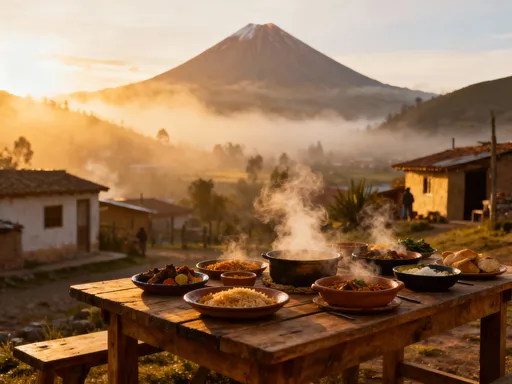
One of the most memorable experiences during my visit was a day trip to a highland community nestled near the slopes of Mojanda, a trio of dormant volcanoes northeast of Quito. The journey began early, with a comfortable van ride along winding roads that climbed steadily into the clouds. As we ascended, the city’s haze gave way to sweeping vistas of golden grasslands, grazing llamas, and glacial lakes reflecting the morning sun. After about two hours, we arrived at a small village where a family-run hostería awaited, its stone walls warmed by a wood-fired stove and the scent of roasting meat drifting through the air.
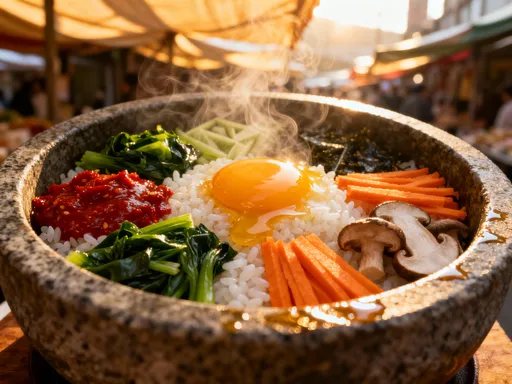
By midday, we were seated at a long wooden table inside a rustic dining hall, surrounded by fellow travelers and local guests. The meal was a celebration of high-altitude cooking: a steaming bowl of locro de papas, a creamy potato soup made with yellow potatoes, cheese, and aji (Andean chili), served alongside freshly baked pan de yuca. Then came the main course—hornado, a whole roasted pork slow-cooked over wood embers until the skin crackled like parchment. It was accompanied by mote (toasted corn), llajwa (a fresh tomato and chili salsa), and a basket of purple potatoes, their skins still dusted with earth from the garden.
What made this meal unforgettable wasn’t just the flavor—though each bite was rich, smoky, and deeply satisfying—but the knowledge that nearly every ingredient had been grown or raised within five miles. The pork came from a pig raised on kitchen scraps and Andean herbs. The potatoes were harvested that morning from a nearby field. Even the salt was sourced from ancient Andean mines. Eating at over 10,000 feet added another dimension: the thin air seemed to heighten the senses, making the spices sharper, the aromas more vivid, and the satisfaction of warmth and fullness more profound.
Our host, Doña María, explained that her family has run the hostería for three generations. They rely on tourism not just for income but as a way to keep their farming traditions alive. “When visitors eat our food,” she said, “they help us stay here, working the land as our ancestors did.” Her words resonated long after the meal ended. In a world where rural life is often seen as outdated, this was a powerful reminder that tradition can be both sustainable and deeply nourishing.
Inside a Cloud Forest: Unexpected Flavors in the Mist
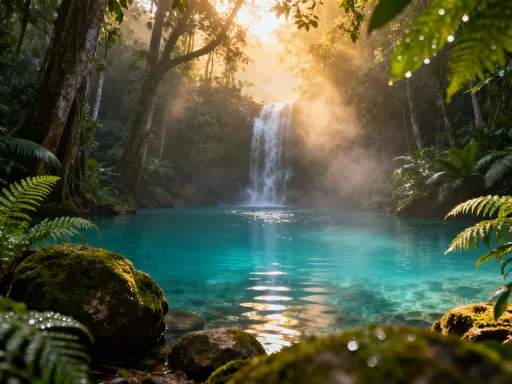
From the highlands, I traveled west toward a completely different ecosystem—the cloud forests of Mindo-Nambillo Protected Forest. Just a two-hour drive from Quito, this lush reserve feels like another world. Towering ceiba trees draped in moss and orchids rise above a carpet of ferns, while the air hums with the calls of toucans, hummingbirds, and howler monkeys. Mist rolls through the valleys in the early morning, softening the light and amplifying the scent of damp earth and blooming flowers. It is a place of quiet wonder, where nature feels both ancient and alive.
But beyond its beauty, the cloud forest offers a unique culinary experience. Here, food is not just grown—it emerges from the forest itself. One afternoon, I joined a guided agroecology tour led by a local guide named Carlos, who introduced me to flavors I had never imagined. We began with wild honey, harvested from native stingless bees that nest in tree hollows. Unlike commercial honey, this golden nectar carried floral notes of orchid, eucalyptus, and wild mint—each spoonful a taste of the forest’s biodiversity. Carlos explained that beekeeping in Mindo is done without artificial hives or chemical treatments, ensuring the bees remain healthy and the honey pure.
Next came a tasting of tropical fruits rarely seen outside the region: naranjilla, a tangy orange tomato-like fruit used in juices; taxo, a passionfruit relative with a tart, perfumed flesh; and mortiño, a wild blueberry that grows at high elevations and is packed with antioxidants. We also sampled chontacuro, palm grubs harvested sustainably from fallen palm trunks. Though eating insects may sound unusual to some, they are a traditional source of protein in Amazonian and cloud forest communities. Grilled over an open flame, chontacuros have a nutty, buttery flavor and a texture similar to roasted almonds.
What impressed me most was how these foods support conservation. Many families in Mindo rely on eco-tourism and sustainable harvesting to protect the forest from logging and mining. By selling honey, fruit preserves, and guided tastings, they create economic value in keeping the ecosystem intact. Every jar of honey or basket of mortiños purchased by a visitor helps fund reforestation projects and wildlife monitoring. In this way, the act of eating becomes an act of preservation—one that honors both nature and culture.
Farm-to-Table in the Andes: Meeting the People Behind the Plate
Perhaps the most moving part of my journey was a visit to a small organic farm within the Reserva Ecológica Antisana, a high-altitude sanctuary east of Quito. This was not a commercial operation, but a family plot tended by Rosa and her two daughters, who grow food using techniques passed down from their grandparents. Their land sits at over 11,000 feet, where the soil is rich with volcanic minerals and the growing season is short but intense. They cultivate purple and red potatoes, achira (a starchy canna root used in fritters), and a variety of Andean herbs like wakataya and paico, which aid digestion and repel insects naturally.
Rosa welcomed us with warm bread baked in a clay oven and a cup of herbal tea made from freshly picked muña, a mint-like plant that thrives in the cold. As we walked through her terraced fields, she explained how each crop is rotated to preserve soil health and how seeds are saved from year to year to maintain genetic diversity. “We don’t use chemicals,” she said. “The earth gives us everything we need—if we listen.” Her words reflected a deep philosophy of reciprocity, central to Andean cosmovision: the idea that humans must give back to the land as much as they take.
Later, we participated in a cooking session using ingredients we had just harvested. We peeled purple potatoes, mashed achira into a dough, and wrapped empanadas that were then fried in locally pressed canola oil. As we ate together under a thatched roof, the wind rustling the grasslands beyond, I felt a profound sense of connection. This was food in its purest form—not processed, not transported, not packaged. It had been grown, prepared, and shared with intention. Eating it felt like an honor, a small act of gratitude for the land and the hands that nurtured it.
For travelers, experiences like this go beyond tourism. They offer a chance to understand where food truly comes from and to witness the quiet dedication of those who grow it. In an age of supermarkets and convenience, such moments are rare. Yet they remind us that real nourishment begins long before the plate—it starts in the soil, in the seasons, and in the stories of those who care for the earth.
Urban Eats with a Conservation Twist: Quito’s Eco-Conscious Restaurants
After days in the countryside, returning to Quito felt like reentering civilization—but one that still honors its roots. In recent years, a growing number of restaurants in the city have embraced sustainable dining, sourcing ingredients directly from protected zones and rural cooperatives. These eateries are not just places to eat; they are spaces where environmental values and culinary innovation meet.
One standout is a cozy restaurant in the La Floresta neighborhood that features a seasonal menu built around indigenous ingredients. Their fritada con mote—slow-cooked pork with toasted corn—is made with meat from free-range pigs raised in the Chocó Andino Biosphere Reserve. The dish is served on handmade ceramic plates, with a side of pickled wild vegetables and a drizzle of herb oil made from native Andean mint. Another popular spot in the historic center specializes in empanadas de verde, using plantains grown in agroforestry systems that protect native tree cover. The kitchen operates on solar power, composts food waste, and uses biodegradable packaging for takeout orders.
What sets these restaurants apart is their commitment to education. Menus often include notes about the origin of ingredients, the farmers who grew them, and the ecological benefits of sustainable agriculture. Some even host monthly dinners where chefs collaborate with indigenous communities to showcase ancestral recipes. These events do more than feed guests—they spark conversations about food justice, land rights, and climate resilience.
For visitors, dining at such places is a way to support conservation efforts without leaving the city. Every meal contributes to fair wages for farmers, reduces reliance on imported goods, and promotes zero-waste practices. It’s a model of urban sustainability that proves environmental responsibility and delicious food can go hand in hand. In Quito, eating well is not a luxury—it’s a choice that aligns with the health of the planet.
How to Eat Responsibly While Exploring Quito’s Natural Wonders
Travelers have a powerful role to play in preserving Quito’s unique food and natural heritage. The choices we make—where we eat, what we order, how we behave in protected areas—can either support or undermine conservation efforts. Fortunately, eating responsibly in this region is both simple and rewarding.
Start by choosing locally owned restaurants, family-run hosterías, and community food initiatives over international chains or imported menus. Look for places that highlight native ingredients like mote, quinoa, or achira, and don’t hesitate to ask servers about where the food comes from. Many small businesses proudly share their sourcing stories. When visiting protected areas, opt for guided food tours that include cultural exchanges with farmers or indigenous guides. These experiences offer deeper insight while ensuring that tourism benefits local communities directly.
It’s also important to respect natural environments. Stay on marked trails, avoid littering, and never remove plants or animals from the wild. If you’re offered traditional foods like chontacuros or wild honey, accept them with gratitude and curiosity—but understand that these delicacies are part of a delicate balance. Overharvesting can harm ecosystems, so support only those vendors who follow sustainable practices.
Finally, embrace the rhythm of local life. Eat seasonally, savor slow-cooked meals, and appreciate the effort behind every dish. When you drink a cup of herbal tea made from muña or bite into a potato grown at 10,000 feet, you’re not just tasting food—you’re participating in a centuries-old relationship between people and land. Every meal can be a small act of conservation, a way to honor the places and people who make these flavors possible.
Quito’s protected areas are more than scenic backdrops for photos. They are living, breathing systems that sustain biodiversity, cultural identity, and culinary excellence. From the páramo to the cloud forest, from rural farms to urban kitchens, food in this region tells a story of resilience, respect, and renewal. To eat here is not just to satisfy hunger—it is to become part of a tradition that values balance, community, and the sacredness of the earth. So when you visit, come with an open heart and a curious palate. Let every bite remind you that the most unforgettable flavors often come from the most protected places.